
When I was little the roads were just starting to get built in the village.
There were rarely any cars or motorcycles.
Bycles were the primary mode of transport.
Televisions were not common. Very few houses had a telephone. Almost nobody had seen a computer.
Things are quite different thirty years later.
Televisions are in pretty much all the houses in my village.
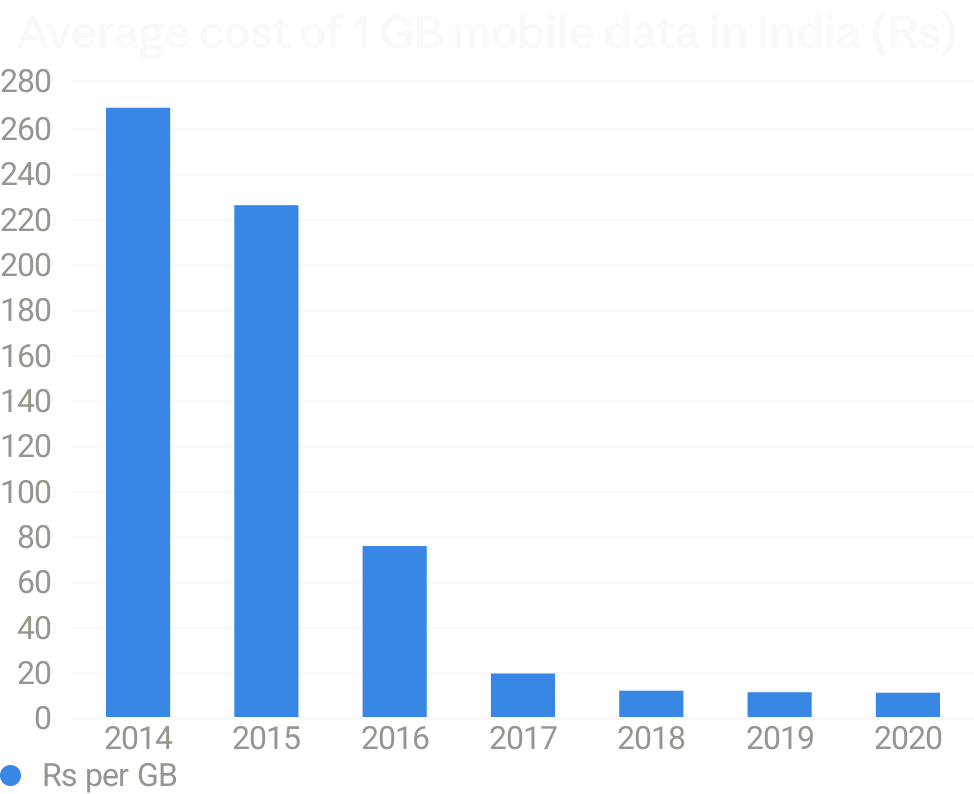
Almost every adult has an smart phone and access to cheap Internet.
Roads are filled with cars.
But there are a lot of things that stil suck. And most of them are run by government. I can split these problems in to these categories.
System Design
Waste management is bad. You hardly see any dust bins. There is garbage in road sides.
Roads are congested. It takes a lot of time to even travel relatively short period of time.
The trains are always late. And the toilets are dirty.
Pretty much all of these problems are system design problems. And solutions already exist out there. Especially in western countries. With LLMs people working on these problems also have access to these solutions which they didn't have easy access previously. A lot of these would start getting solved pretty fast.
Education
The schools and collges are pretty mediocre in teaching and focus on rot learning.
There are not enough schools and universities for all the students who want to pursue education.
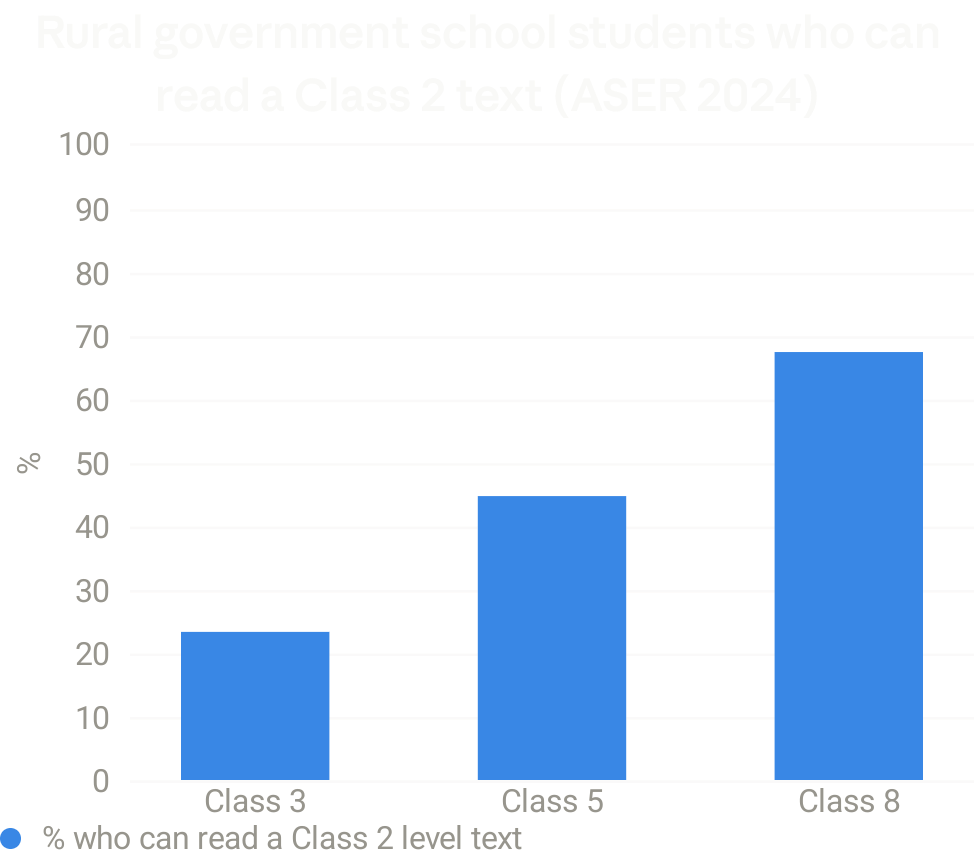
This is also changing exponentially fast with LLMS. Anyone who wants to learn now have a world class tutor. Good apps are still be to built that offers a replacement for schools and collges completely. But this is already 90% solved. The teacher already exists in form of ai. This was not the case an year before.
Urban design
There is a lack of focus on beauty. A lot of buildings are just plain ugly.
Cities are designed without any focus on how beautiful they can look.
There are hardly any parks.
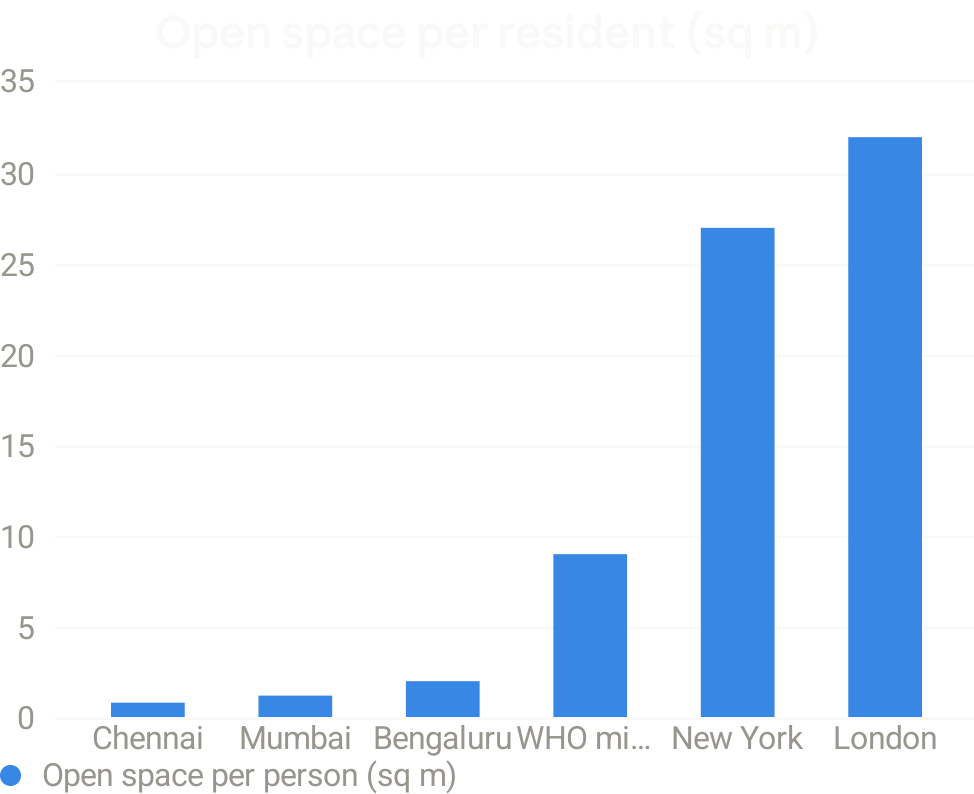
A lot of these is just lack of knowledge on how to design beautiful urban spaces.
People are already aware most European cities looks more beautiful than most Indian cities.
So a lot of the missing piece was just the knowledge on how to design beautiful spaces.
This is not just knowledge on designing beautiful buildings.
It could also be lack of knowledge on how to work through different beurocracies that prevent innovations.
This brings us to the elephant in the room.
Beurocracies
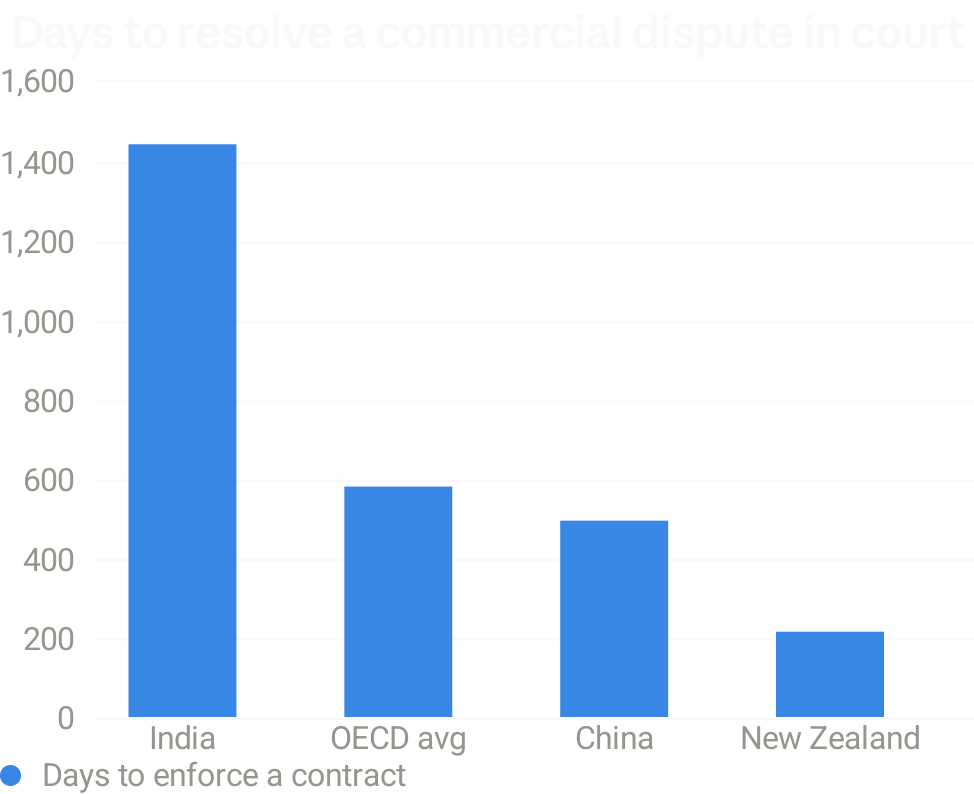
India is known for its insanely inefficient Beurocray.
Government processes are uncessarily complicated because of bad processes.
It takes forever to get things done.
Even though I personally not have worked on this I can see how it can feel like working in a big tech company. I assume India is order or magnitude more complex than a typical big tech company.
AI again thrive in this. It can go through tons of data and simplify structures.
And once people and governments start to rely on more or less the same AI models for handling these processes, things will start to improve pretty fast.
Models are going to arrive on more or less the solutions for similar pattern of problems.
You no longer have a random human with random opinions making random decisions for the same class of problems.
AI will bring consensus in an a fragmented and chaotic beauraocracy
Civil rights
A lot of Indian citizens still live in the colonial hangover. They don't know their rights and expect the government to do bare minimum.
They don't understand they can demand better from government.
A lot of people are afraid of police and they think police have unlimited power.
There are a lot of basic misconceptions of rights.
A lot of people stay on marriages that are completely broken because they don't see any other options.
Jobs
Lack of jobs is another problem in India. A lot of people are not skilled to work on many jobs.
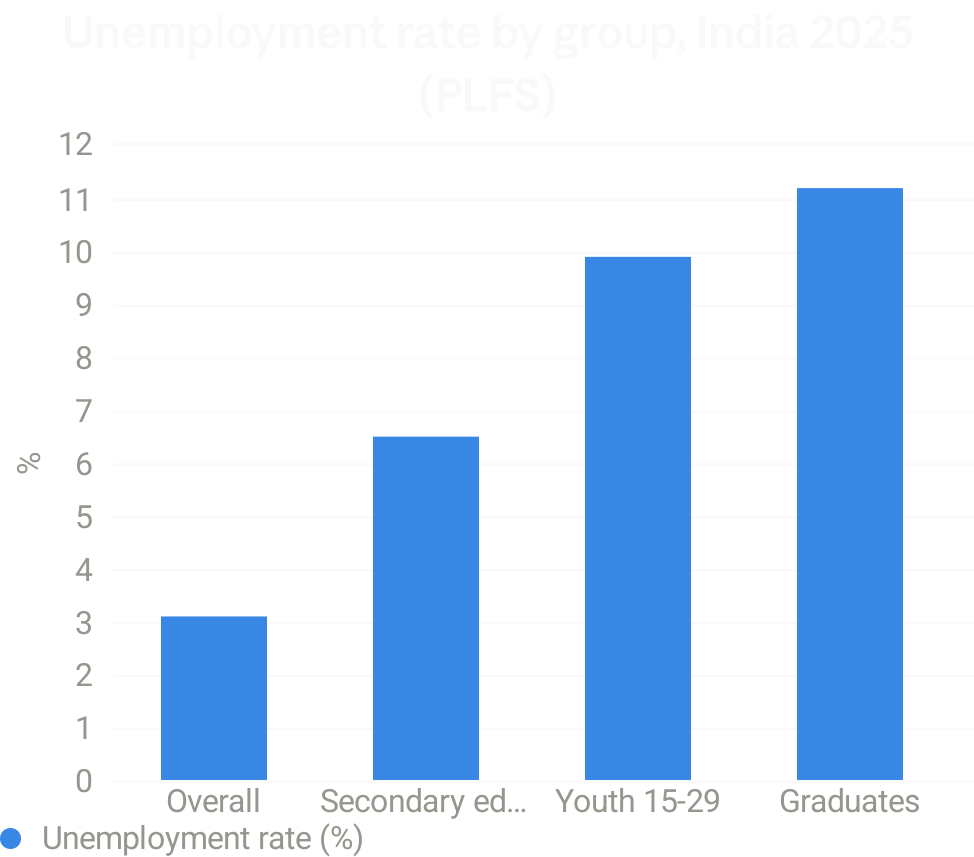
I think with AI improcing education and skills in general people would be be able to contribute better to economy. Also AI should also help it easier to bootstrap businesses. It would be easier to run businesses and also with it improving the government it would be easier to start them as well.
So overall on I am pretty bullish on the impact of AI in India ovet the next few decades.
Every time I go back to India I am surprised by how much it has changed.
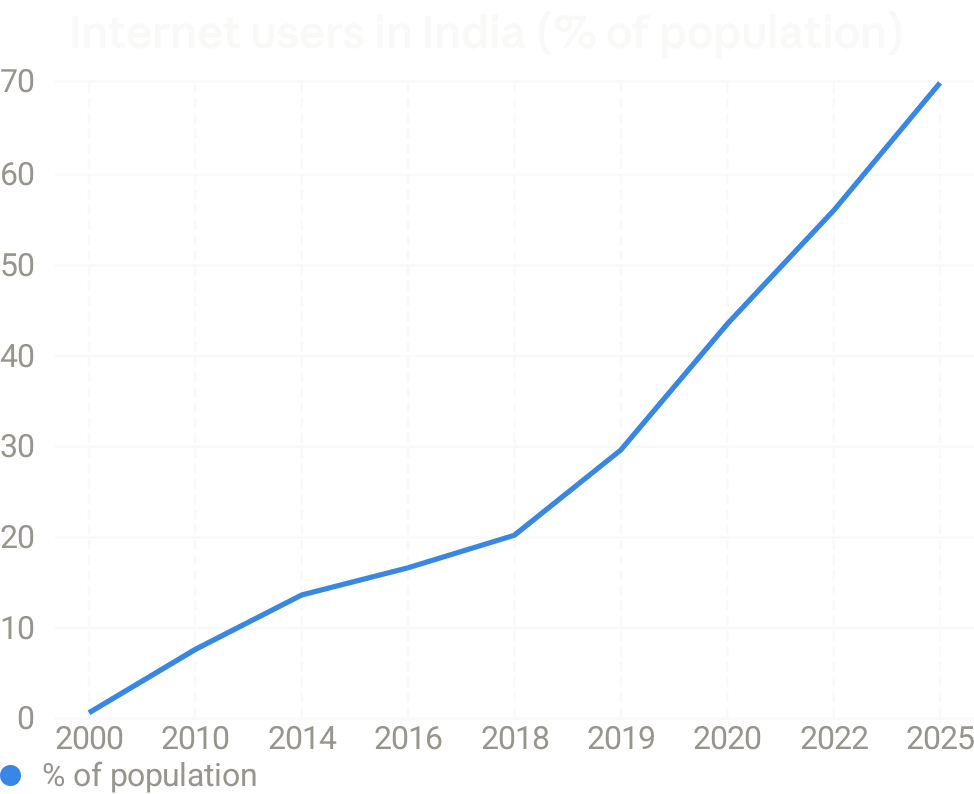
And I don't see it slowing down.